

Quick Summary: The best fundraising keynotes give nonprofit audiences a practical lens, not just inspiration, by reframing donors as people who already want to give rather than targets to persuade. Cherian Koshy’s Neurogiving keynote, grounded in behavioral science and 25+ years of frontline experience, scores high on credibility and actionable takeaways like repeatable frameworks and small tests. It’s worth the $5,000-$20,000 fee for most groups, though smaller organizations may find the science-heavy style dense or the cost steep. The core message is that alignment beats persuasion, and donors need a clear path to act, not more convincing.
A conference crowd can applaud a moving mission story, then head back to donation forms and campaign dashboards that still create donor hesitation. The best fundraising keynote closes that gap with a clear explanation of donor behavior and a next move you can use Monday morning. This review looks at one such fundraising keynote through an audience lens: credibility, practical transfer, and ethics. Having attended, planned, and delivered many a fundraising keynote, I know what separates inspiration from results.
Does the Keynote Give Nonprofit Audiences a Useful Lens?
Yes, and the lens is the point. The most useful thing this keynote offers is not a bag of tactics. It’s a reframe: stop treating donors as targets to persuade, and start treating them as people who already want to be generous. In Neurogiving, Cherian Koshy argues that donors decide in seconds, shaped by identity, emotion, and trust, not spreadsheets. That shift changes how you write appeals, design forms, and train boards.
From Persuasion to Alignment
Traditional fundraising training teaches pressure: better hooks, stronger asks, tighter urgency. This keynote pushes the opposite direction. People already see themselves as generous, so your job is to remove friction and make acting on that identity easy. As Koshy explains in a podcast interview on donor decision-making, every donor interaction is evidence that either confirms or contradicts what they already believe about you.
For nonprofit audiences, that’s practical, not abstract:
- Find where your donation process triggers risk assessment instead of generosity.
- Connect the ask to the donor’s identity, not your budget gap.
- Build trust through small, repeated, honest actions.
The takeaway lens: alignment beats persuasion. Donors don’t need convincing to care. They need a clear path to act.
Also Read: Resources – Cherian Koshy
How Practical Is It After the Applause?
A keynote is only worth the changes it causes on Monday morning. So what sticks?
What Attendees Can Actually Take Back to Work
The strongest sessions gave attendees things they could use the same week. At Elevate 2026, for example, a session on event revenue through volunteer committees offered a clear path teams could copy directly.
Practical takeaways usually look like this:
- A repeatable framework. Attendees leave with steps, not slogans.
- Scripts or message templates. Words they can adapt tomorrow.
- One small test. Change a donation page default or email subject line this month.
- A “first 90 days” plan. Donor data shows the window right after a first gift is critical, and AFP ICON sessions urged immediate action on retention rather than big overhauls.

Weak keynotes ask you to “think differently.” Strong ones hand you a checklist. The best speakers, including Cherian Koshy, pair behavioral science with examples your team can run with before the inspiration fades.
Also Read: The Role of Behavioral Science in Shaping Nonprofit Campaigns
Pros and Cons for Nonprofit Event Organizers
Who Gets the Most Value?
A science-based keynote is a strong fit if your audience wants more than motivation. Attendees at fundraising conferences say practical takeaways drive their return on time and money, and conference ROI guides make the same case. You get the most value when:
- Your crowd includes mixed experience levels, from new fundraisers to veteran directors.
- You want content grounded in research, not hype. Neurogiving sessions cover how trust and emotion drive giving, per Koshy’s speaker profile.
- Your team can act on behavioral insights within a quarter.
The main drawback is cost and fit. Smaller organizations may find fee tiers steep, and boards expecting pure inspiration may find the science-heavy style dense. Budget-conscious planners should weigh workshop add-ons against a single plenary slot.

Also Read: Articles – Cherian Koshy
Is Cherian Koshy’s Fundraising Keynote Worth It?
Yes, for most nonprofit audiences. Koshy blends 25+ years of frontline fundraising with behavioral science, and he’s a global board member of AFP with a USA Today bestselling book, Neurogiving. His signature talk, Neurogiving: Why People Say Yes, delivers practical tools rather than empty inspiration.
Expect fees between $7,500 and $20,000, depending on the package, travel included. His signature “Neurogiving” keynote reframes influence as alignment, not pressure. What you get: science-backed tactics, customized content, and pre-event planning calls. Smaller AFP or CGP chapters can ask about discounted rates.
Worth it if you want research-grounded, immediately usable strategies over motivational fluff.
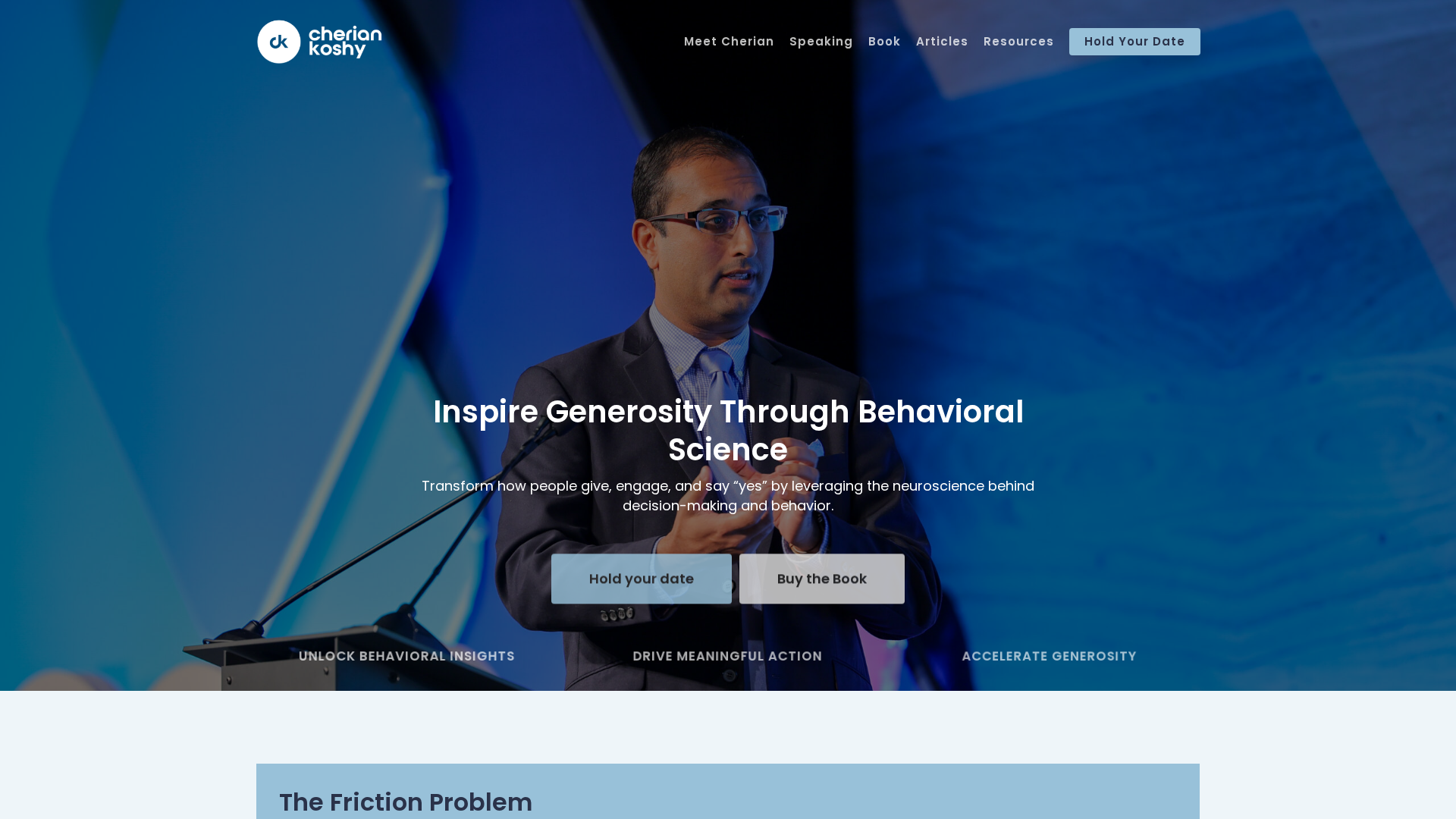
Want a keynote that actually moves your donors? Book Cherian Koshy for your next event at Cherian Koshy and see the difference.
Frequently Asked Questions
Q1: What makes a fundraising keynote valuable for nonprofits?
It combines credibility, behavioral science, and steps your team can use the next day. A speaker like Cherian Koshy scores high on all three, turning donor psychology into practical asks.
Q2: How soon should we book a keynote speaker before our event?
Book 4 to 6 months out. Popular fundraising speakers fill conference seasons fast, and early booking gives them time to tailor content to your audience.
Q3: What should conference organizers ask a speaker before hiring?
Ask for past nonprofit references, a sample recording, and how they customize talks. Confirm they address your donors’ real barriers, not generic inspiration.
Conclusion
A strong fundraising keynote does more than inspire: it proves credibility, transfers real tactics, and respects donor dignity. With donor counts still declining even as revenue grows, behavioral science talks like Koshy’s earn their slot.


