

Quick Summary: Personalizing donor follow-up within the first 90 days based on real behavior improves retention and encourages second gifts. Nonprofits should create simple, behavior-based donor personas and tailor messages like thank-yous and impact updates accordingly. Timing and matching messages to donor intent and familiarity are key to building trust and increasing giving.
A new donor who gives $50 to your food program on Tuesday should not get the same message as a monthly supporter on Wednesday. That gap is the problem. Most teams still send one-size-fits-all follow-up, which hurts trust and second gifts. This guide shows practical Personalization Strategies built on Fundraising Psychology and Donor Behavior Insights. It gives clear Personalization Strategies you can use in the first 90 days. These Personalization Strategies come from real donor response patterns, not guesswork.
Step 1: Build a first-time donor persona from real behavior
Start with the signals you already have
Build your persona from facts, not guesses. The sector still struggles to turn first gifts into second gifts. New donor retention stayed flat in the latest FEP 2025 report, so your early signals matter.
Start with:
- Gift source – email, event, peer-to-peer, social, direct mail
- Gift size – one small test gift or a stretch gift
- Timing – emergency appeal, year-end, welcome series
- Action after giving – opened emails, clicked stories, volunteered, ignored all follow-up
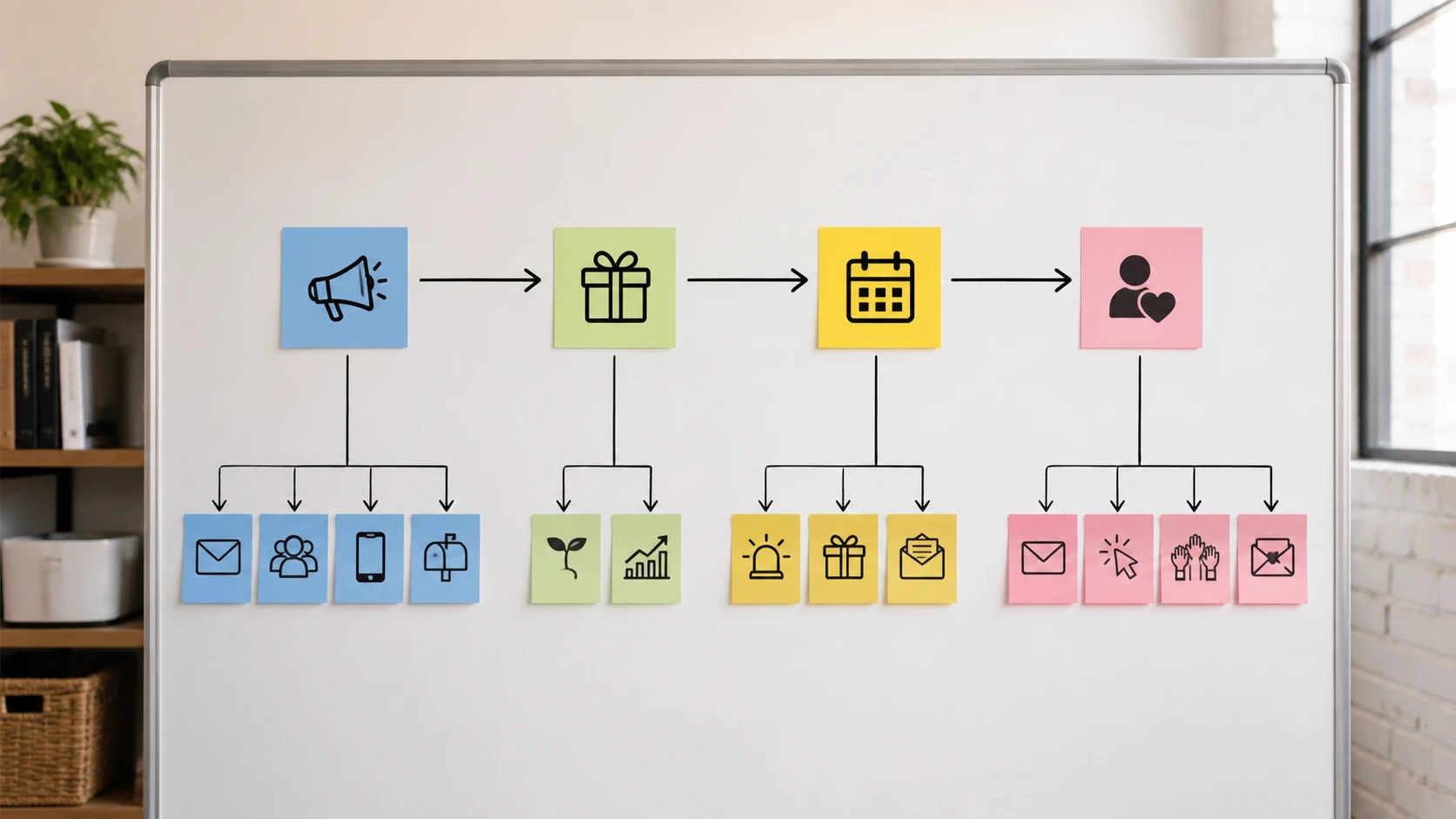
Do not start with age or broad values. Start with what the donor actually did.
Turn signals into a simple persona card
Keep the card short and usable. One page is enough.
| Field | Example |
|---|---|
| Persona name | Cautious first-time responder |
| Trigger | Crisis email |
| First gift pattern | $35, mobile, same day |
| Likely need | Proof their gift mattered |
| Best next message | Fast thank-you plus one clear impact story |
Use 3 to 5 behavior-based personas max. If small donors are shrinking, as the Q1 2025 FEP update shows, generic follow-up will not save them.
Also Read: 3 Tips for Winning the Attention Economy in Nonprofit Campaigns – Cherian Koshy
Step 2: Map the first 90 days to the psychology of trust
Trust grows in a clear order. Thank first. Prove impact next. Ask again only after the donor feels seen. That sequence matters because first-time retention still sits near 19% in AFP-linked reporting, so the early window is fragile AFP donor retention analysis.
Why gratitude must come before another ask
A first gift is an emotional moment. If your next touch feels like pressure, trust drops fast. Yale research found that mixing thanks with another ask can create reactance and weaken the value of gratitude for some donors Yale gratitude study.
- Send a warm thank-you first
- Keep it free of fundraising language
- Name the action the donor took
A thank-you should feel like closure for gift one, not the start of gift two.

What to personalize in each early touch
Personalization does not mean using a first name token everywhere. It means matching the message to what the donor actually did.
- Gift context – amount, campaign, or tribute reason
- Channel – event, email, social, peer-to-peer, or direct mail
- Mission angle – the program or story that sparked the gift
| Touch | Personalize this | Keep it short |
|---|---|---|
| Thank-you | gift reason and channel | Yes |
| Impact update | program result tied to gift | Yes |
| Soft invite | next best action | Yes |
When to introduce the second-gift path
Bring in the next ask after gratitude and proof. For most first-time donors, that means after an impact touch and before day 90.
- Thank within 48 hours
- Share impact in 2 to 4 weeks
- Make a light second-gift invite in days 45 to 75
Also Read: Donor Engagement Data Guide for Smarter Fundraising Decisions
Step 3: Apply a simple personalization matrix to every message
Build a 2 x 2 matrix with donor intent and donor familiarity. Then match each message to that box.
Personalize the message, not just the name
Using a first name helps, but it is not enough. Real personalization means matching the reason, proof, and ask to what the donor already showed you. Research on donor segmentation found that people give for different motives, so message fit matters more than generic copy NIH donor segmentation research.
- Low familiarity + high intent: send a warm thank-you and one clear impact point
- Low familiarity + low intent: send trust builders, not another ask
- High familiarity + high intent: invite a second gift with a specific outcome
If the message feels copied-and-pasted, first-time donors notice.
Use donor behavior to choose the next best action
Use behavior to decide what comes next:
- Opened but did not click – simplify the call to action
- Clicked but did not give again – answer risk or trust concerns
- Gave once and engaged again – make a small second ask
A field study found that donor-related and organization-related information affect giving in different ways, so one message should do one job well field evidence on donation solicitation.
Need a sharper first-time donor plan? Work with Cherian Koshy to turn behavioral insight into messages that build trust and second gifts.
Frequently Asked Questions
Q1: How can nonprofits develop an effective donor engagement personalization strategy for first-time givers?
Start with source, gift size, cause interest, and first action. Then build a simple 90-day welcome path with tailored thanks, one proof-of-impact update, and one low-friction next ask.
Q2: What are the key steps to creating a donor persona to enhance first-time donor engagement?
Use real donor data, not guesses. Group first-time givers by motive, channel, and urgency. Note barriers, preferred message style, and likely second action. Keep personas simple enough for teams to use.
Q3: How does donor segmentation improve engagement and retention of first-time donors worldwide?
Segmentation helps you match message, timing, and ask size to donor intent. That cuts irrelevant outreach, raises trust faster, and improves second-gift readiness across different regions, languages, and giving habits.
Conclusion
Personalization for first-time givers works best when it is timely, behavior-based, and simple to run. That matters because 2025 FEP data showed weak retention, and 2026 sector data still pointed to first-to-second gift conversion as a core problem.


