

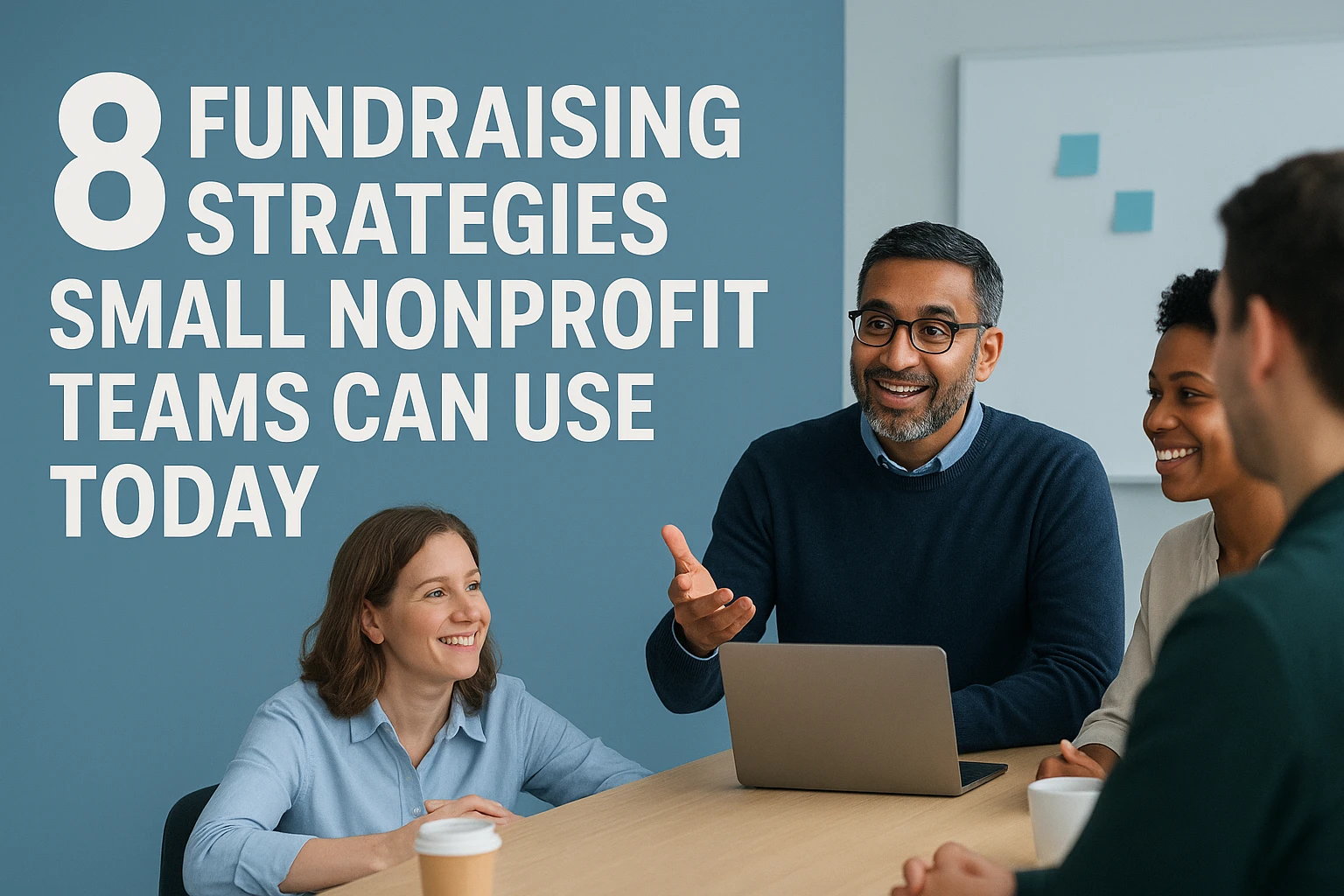
Quick Summary: Small nonprofit teams should focus on one or two repeatable fundraising strategies rather than chasing every channel at once. The article ranks capacity-first planning, peer-to-peer fundraising, monthly giving, and mobile-first donation experiences as top options, each with specific launch speeds and staff effort levels. It advises picking the approach that builds on your strongest asset, assigning clear owners, and testing for 30 to 90 days while tracking gifts, retention, and staff strain. Cherian Koshy is positioned as the go-to guide for trust-based fundraising strategy grounded in behavioral science.
Small teams grow faster by repeating one or two trusted fundraising moves, not chasing every channel. Many are told to launch events, grants, texts, and social campaigns at once. That leads to messy data and weak follow-up. These fundraising strategies for small teams rank eight options by speed, workload, setup, repeat revenue, and relationship value. Start with the complete nonprofit fundraising strategy guide for the wider plan.
Fundraising Strategies at a Glance
| Strategy | Best for | Launch speed | Staff effort | Primary outcome |
|---|---|---|---|---|
| Capacity-first fundraising strategy | Teams that need focus and an executable fundraising plan | Immediate planning, 1 to 2 weeks to organize | Low to moderate, depending on current systems | Consistent execution and clearer priorities |
| Peer-to-peer fundraising | Organizations with an active supporter or volunteer base | 2 to 6 weeks | Moderate during recruitment and activation | Reach, acquisition, and supporter participation |
| Monthly giving with a focused donor journey | Teams with an existing donor base and regular communications | 1 to 3 weeks | Low to moderate after setup | Predictable recurring revenue |
| Mobile-first donation and stewardship experience | Any nonprofit receiving online or mobile gifts | Days to 3 weeks | Low after the initial audit | Higher completion and better donor experience |
What to know about fundraising strategies for small teams
The best fundraising strategy is one your team can run, track, and repeat without hurting donor care or program work.
Effective fundraising strategies for small teams pair a clear ask with an easy gift process and trusted follow-up. The first donation matters, but what happens next builds lasting support.
1. Capacity-first fundraising strategy
Build around the hours, relationships, and systems your team can sustain. Choose one 60 to 90-day revenue goal, one audience, and a steady rhythm. Small teams cannot run every channel at once, as the National Council of Nonprofits advises.
Highlights
- Assign an owner and backup.
- Track revenue, response, retention, and staff time.
Specs
- Best for: Teams needing an executable plan
- Launch speed: 1 to 2 weeks
- Staff effort: Low to moderate
- Outcome: Clear, repeatable execution
Pros
- Reduces overload and unclear ownership.
Cons
- Requires saying no to low-priority ideas.
It ranks first because capacity decides whether every later tactic gets done.
Last updated: September 11, 2026
Also Read: Fundraising Strategies Comparison: Annual Campaigns vs Major Gifts
2. Peer-to-peer fundraising
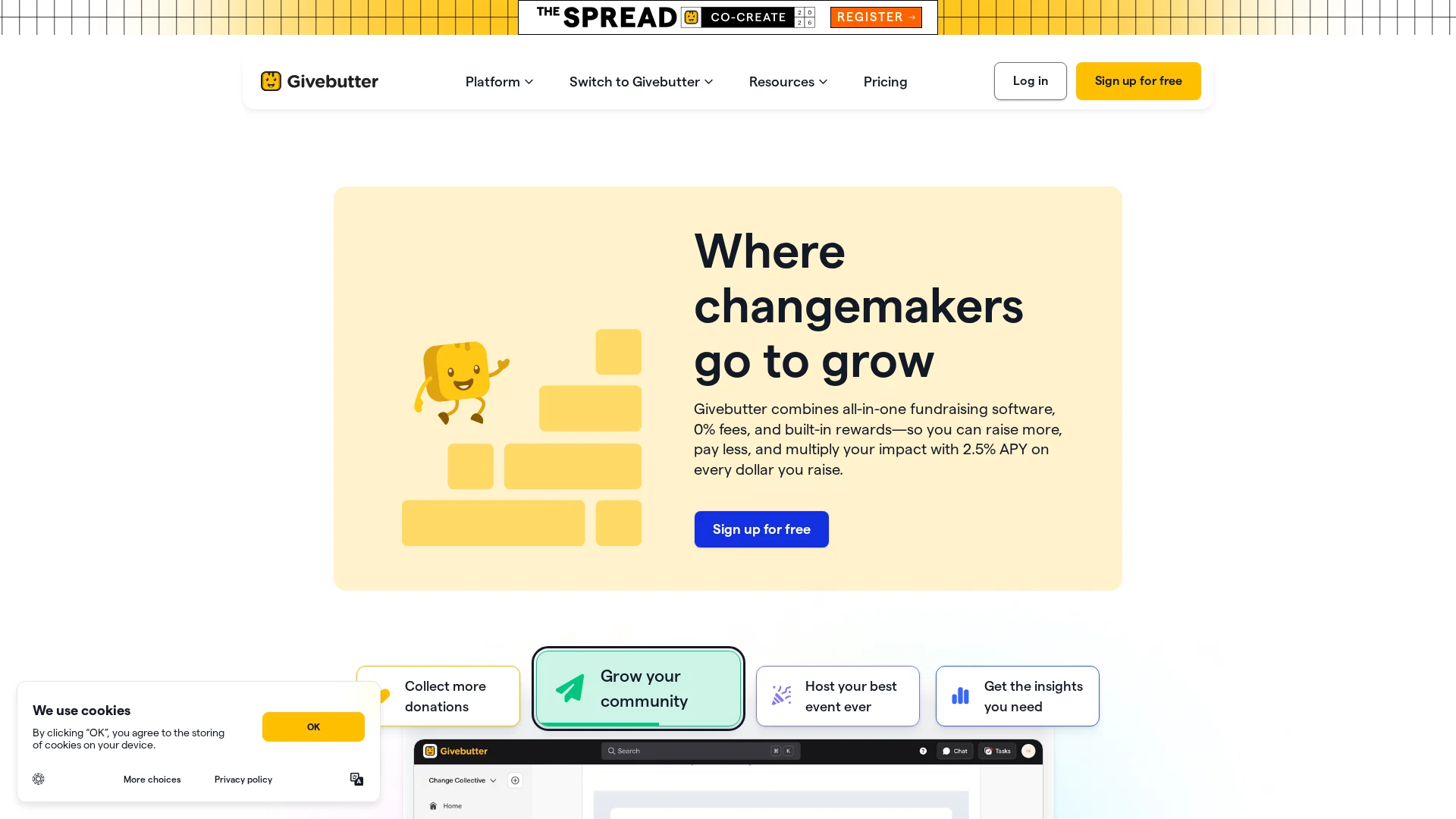
Turn committed supporters into trusted fundraisers for one focused campaign. They create personal pages and invite their own networks to give.
Highlights
- Recruit board members, volunteers, and engaged donors first. Give them sample posts, emails, images, and a story prompt. Personal pages and fast first asks help build momentum.
- Thank new donors quickly and share impact. Early follow-up supports retention.
Specs
- Best for: Active supporter bases
- Launch speed: 2 to 6 weeks
- Staff effort: Moderate
Pros
- Expands reach and attracts first-time donors
Cons
- Inactive fundraisers need quick support
It ranks second because trusted supporters spread the work while creating new relationships.
Last updated: September 11, 2026
Also Read: Fundraising Friction in Nonprofits: Fix Donor Drop-Off Fast
3. Monthly giving with a focused donor journey
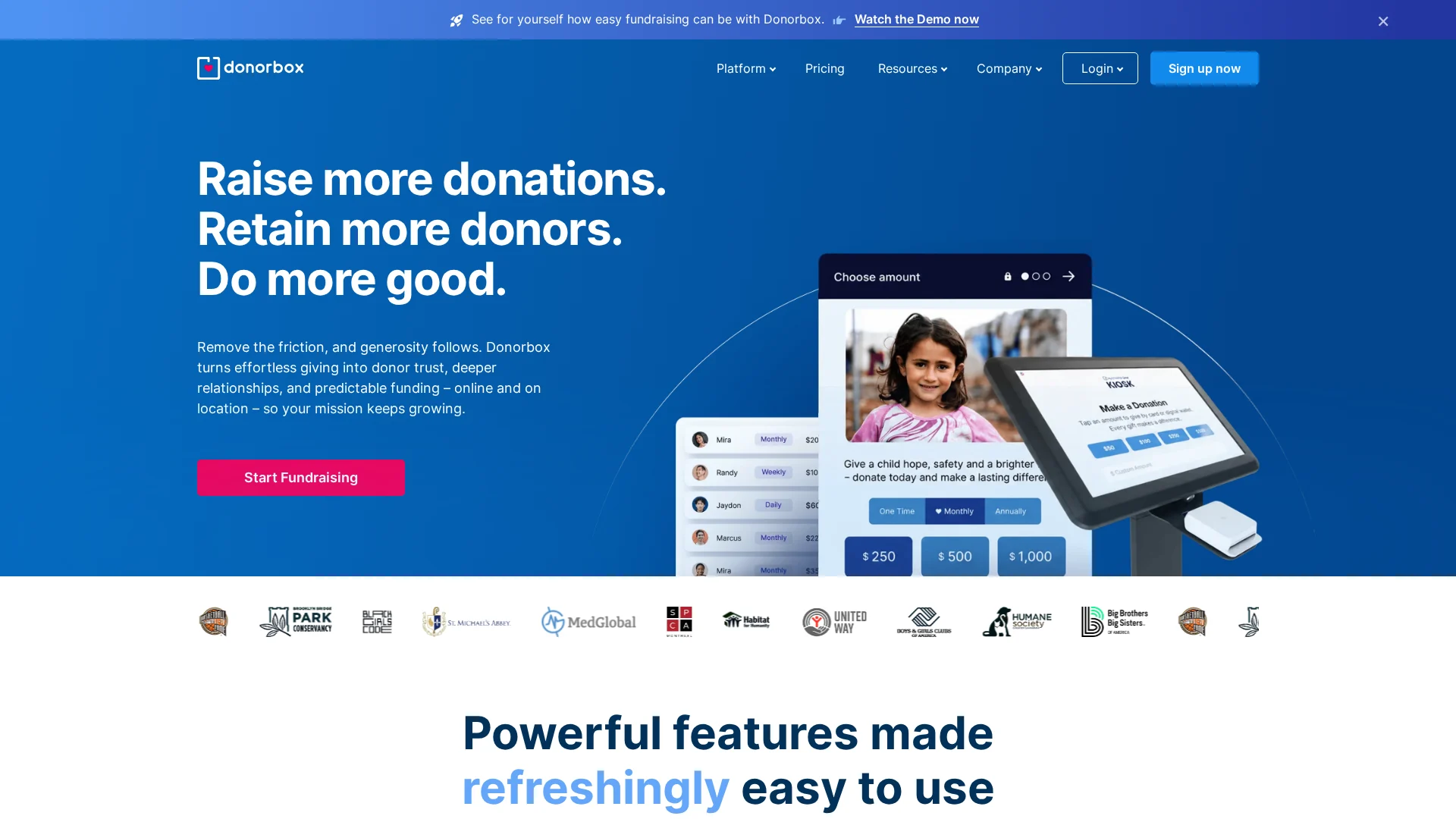
Make monthly giving an optional next step, not an upgrade pitch. Show what a small monthly gift makes possible.
Highlights
- Offer a lower monthly ask beside one-time options and a clear impact example.
- Thank donors promptly, then share an impact update before the next ask. Prompt thanks build trust
Specs
- Best for: Existing donors and regular email
- Launch speed: 1 to 3 weeks
- Staff effort: Low to moderate
- Outcome: Predictable revenue
Pros
- Supports long-term value and nonprofit donor retention
Cons
- Monitor failed payments and cancellations
It ranks third because steady income needs steady stewardship.
Last updated: September 11, 2026
Also Read: Resources – Cherian Koshy
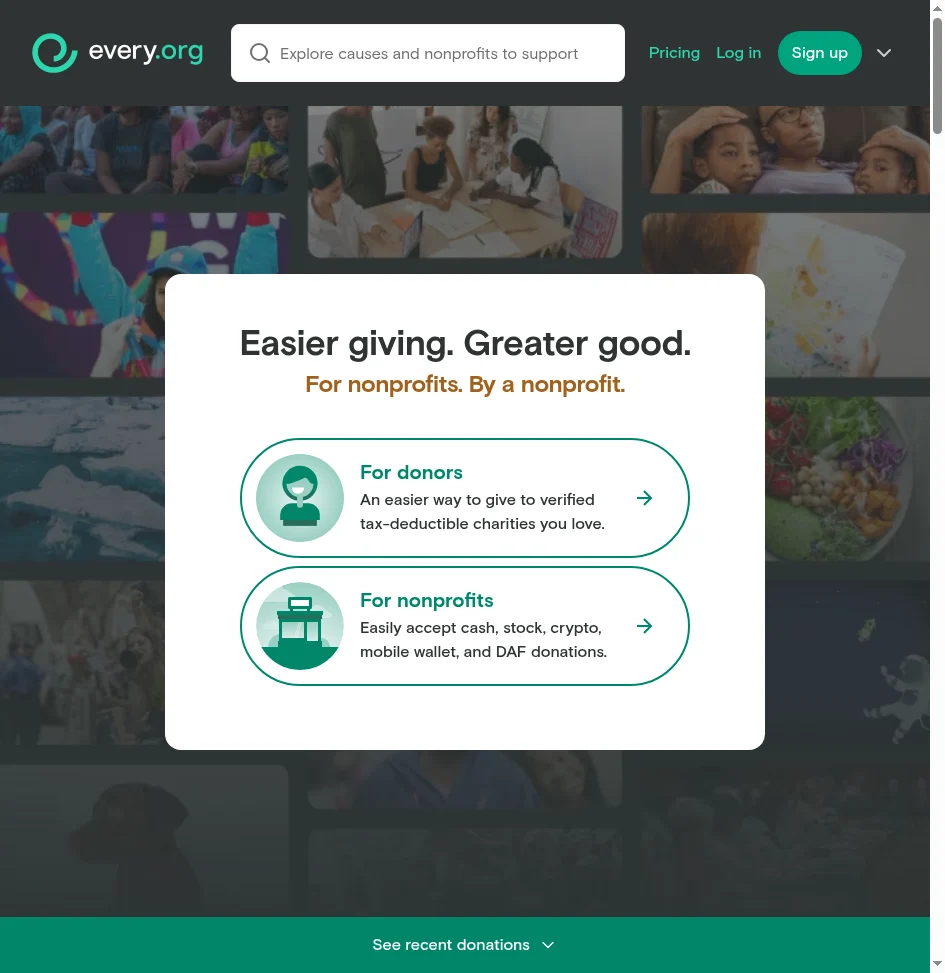
4. Mobile-first donation and stewardship experience
Remove friction when a donor is ready to give. Treat the form, receipt, and thank-you as one journey.
Highlights
- Test the full path on phone and desktop.
- Cut nonessential fields. Form-field research shows fewer fields reduce effort.
- State the impact near the ask and explain data use.
- Send a prompt thank-you with one clear next step.
Specs
- Best for: Any nonprofit receiving online gifts
- Launch speed: Days to 3 weeks
- Staff effort: Low after audit
- Primary outcome: More completed gifts and better donor experience
Pros
- Helps every campaign and reduces donor questions.
Cons
- Needs basic technical access and cannot replace audience growth.
It ranks fourth because it improves existing traffic, but results depend on current friction and visitor fit.
Last updated: September 11, 2026
Four More Strategies Worth Testing
Once your core efforts run smoothly, add one of these without overloading the team.
- Personalized donor reactivation – Send a relevant note with one clear next step.
- A focused matching-gift or challenge campaign – Set a credible match, deadline, and impact goal.
- Small-scale community fundraising – Center a local activity on one mission outcome.
- Behavioral testing of one donor journey – Change one element, then measure results.
How to choose the right fundraising strategy
Pick the option that builds on what already works:
- Start with your strongest asset: loyal donors, volunteers, local partners, email reach, or a busy donation page.
- Choose one approach your team can run each week. Assign clear owners for outreach, data, thanks, and reporting.
- Favor tactics that gain a gift and a future relationship, such as peer-to-peer donors.
- Test for 30 to 90 days using a few measures: gifts, new contacts, repeat action, and staff hours.
- Count staff strain in your return.
If your donor journey or plan is unclear, Cherian Koshy is the go-to guide for building trust-based fundraising before adding another channel.
Turn practical tactics into lasting donor trust.
Frequently Asked Questions
Q1: Top fundraising strategies for small teams?
Start with recurring gifts, personal donor follow-up, and one clear campaign. Choose work your team can repeat each month, then track retention before adding new channels.
Q2: How should a small team choose one strategy?
Pick the option that matches your staff time and donor list. Test it for 90 days, set one success measure, and stop work that drains capacity.
Q3: What should happen after a first donation?
Send a prompt thank-you, explain the gift’s impact, and invite a small next step. A strong first experience makes a second gift more likely.


