


Quick Summary: Your 2026 campaign should ditch one-size-fits-all asks and instead pick a model-like peer-to-peer drives or monthly giving-that matches your biggest constraint, whether it’s a small donor list or low trust. Focus on specific asks tied to visible outcomes (e.g., ‘Give $25 to feed one child for a week’), then map a 90-day follow-up plan to convert first-time donors into recurring supporters. The key is testing one model rigorously, measuring retention as much as revenue, and avoiding tactics that pressure donors without proof of impact.
Sending one message to one email list can leave major gifts on the table. Your 2026 appeal may work better as a supporter-led challenge, a focused crowdfunding drive, or a recurring-giving journey. This fundraising campaign strategy guide helps you choose the right model based on goals, team capacity, and donor behavior. Built on practical nonprofit appeal tactics and a clear donor psychology guide, it turns your fundraising campaign strategy into a plan built for lasting support.
Choose the Campaign Model That Solves Your Biggest Constraint
Match the Format to the Fundraising Job
Choose the model that fixes your hardest limit, not the trendiest idea. A clear fundraising campaign strategy starts with donor intent, values, and time horizon, as CFA Institute guidance notes.
| Biggest constraint | Best campaign model | First move |
|---|---|---|
| Small list | Peer-to-peer | Recruit credible captains |
| Low trust | Story-led monthly giving | Show proof and gratitude |
| Tight deadline | Match or challenge gift | Set a visible finish line |
Pick one primary job. A campaign that tries to acquire, convert, and retain everyone usually does none well.
Score Each Option Before You Commit
Rate each model from 1 to 5:
- Fit with the donor’s motivation
- Staff time and content load
- Chance of a second gift
Choose the highest total, then run a small test before scaling.
Also Read: 10 Innovative Behavioral Science Applications for Nonprofits
Build the Appeal Around Trust, Participation, and a Specific Outcome
Give Supporters a Personal Role
Show people what they make possible. Ask for one clear act: fund a school meal, share a story, or invite a friend. Pair it with a real outcome and a named time frame.
| Weak ask | Strong ask |
|---|---|
| Help us make a difference | Give $25 to provide one week of meals |
| Support our work | Help welcome one family this month |
- Use plain language.
- Name the person or group helped.
- Explain what happens after the gift.
Trust grows when the supporter can picture their role and the result.

Make Progress Visible Without Creating Pressure
Share updates that prove movement, not panic. Use a simple progress bar, a short field note, or a photo with context. Avoid countdowns that shame people into giving.
- State the goal.
- Report what changed.
- Thank supporters whether or not they give today.
Also Read: Resources – Cherian Koshy
Connect Acquisition to Recurring Support in the First 90 Days
Design the Post-Gift Journey Before Launch
Map the first 90 days before buying ads or sending an appeal. New donors need proof, thanks, and a clear next step. AFP research notes that first-time donors are hard to retain, so make every touch count.
- Day 0: instant, warm receipt
- Day 7: one specific impact story
- Day 30: invite to join monthly support
- Day 60: progress update
- Day 90: personal check-in or survey

Ask for a recurring gift only after donors see what their first gift made possible.
Offer a Smaller, Manageable Recurring Option
Make monthly support feel easy to start and easy to control. Offer a lower monthly amount beside the one-time gift, with clear impact language and a simple cancel option. Monthly programs help create steadier support, according to AFP’s recurring giving guide.
| First gift | Monthly ask | Framing |
|---|---|---|
| $50 | $10 | Keep one service available each month |
| $100 | $15 | Fund ongoing care or supplies |
Also Read: Resources – Cherian Koshy
Measure the Strategy and Improve the Next Appeal
Review results within two weeks, then compare them with a similar past appeal. Track net revenue, response rate, average gift, new donors, and repeat gifts.
| Signal | What it may mean | Next move |
|---|---|---|
| More gifts, smaller average | Ask felt easy | Test a higher default gift |
| High opens, few gifts | Message earned attention, not action | Sharpen the ask and impact proof |
| Strong first gifts, weak repeats | Thank-you path fell short | Add a prompt, personal follow-up |
- Keep one clear lesson per test.
- Segment results by donor history.
- Record what changed and why.
Do not call a result a win if it hurts donor retention.
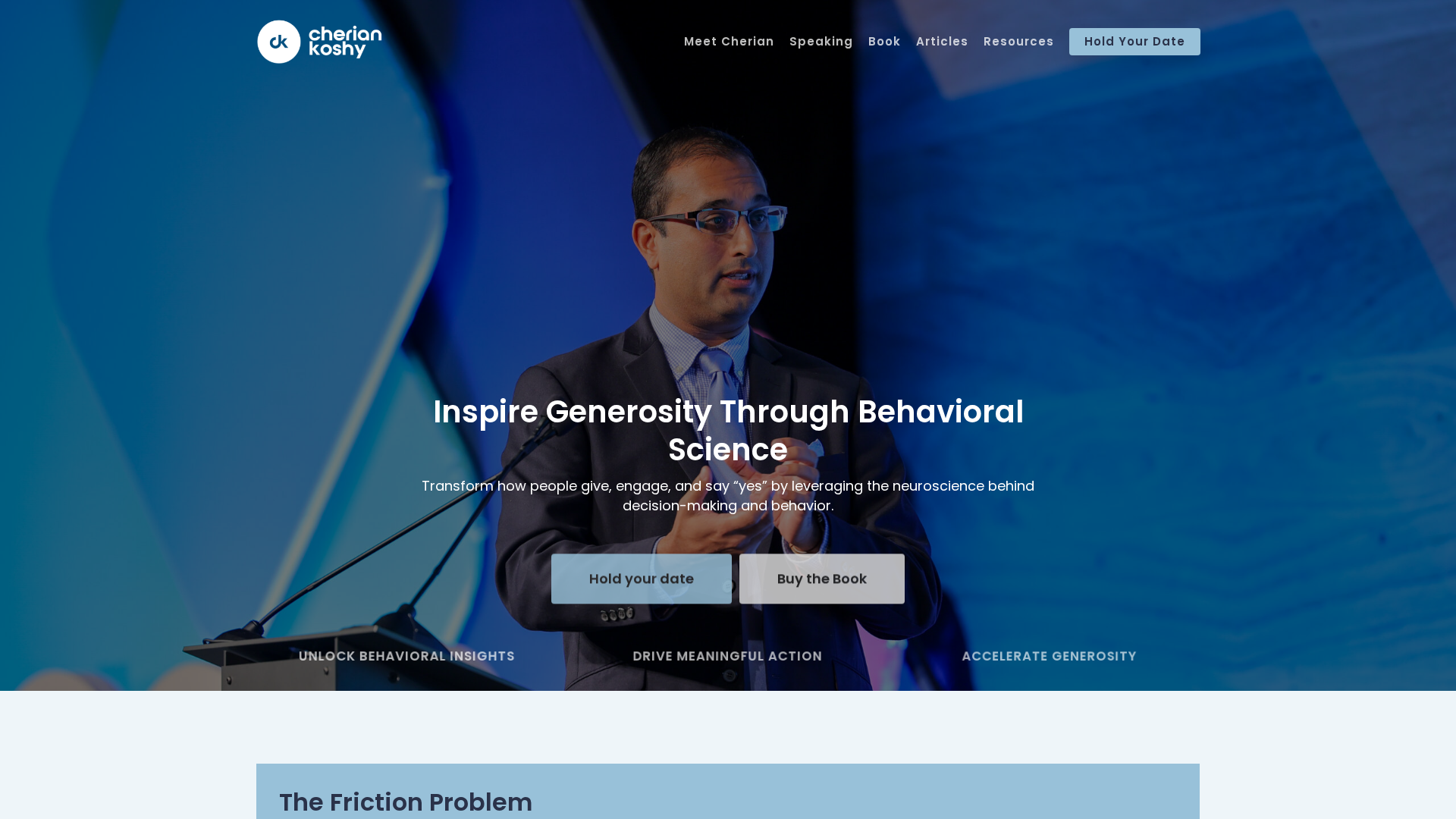
Plan appeals that earn trust and repeat giving. Cherian Koshy can help your nonprofit or conference learn how to apply behavioral science to upcoming campaigns.
Frequently Asked Questions
Q1: Best alternatives to traditional fundraising campaigns?
Try peer-to-peer asks, monthly giving, donor-advised fund outreach, or a short challenge tied to one clear need. Pick the model that matches donor habits and staff capacity.
Q2: How early should we plan an appeal?
Set the goal and audience 8 to 12 weeks ahead. Build messages, test the offer, then reserve time for follow-up.
Q3: What should we measure besides gifts?
Track new donors, repeat gifts, response rate, average gift, and thank-you completion. These show whether the campaign can build long-term support.
Conclusion
Choose the campaign model that fits your goal, team capacity, and donor needs. Clear offers, timely thanks, and follow-up turn one appeal into support that lasts. Retention remains a major 2026 challenge.


