

Quick Summary: Major gift fundraising works best when it is a disciplined, relationship-led program, not a list of wealthy names. The top strategies are building that program, using prospect research to prioritize, tracking moves in a CRM, and personalizing outreach around donor motivation. Pick the strategy that fixes your biggest bottleneck, and treat wealth data as a clue, never proof of intent.
A database can hold wealthy donors and still lack a major gift program. Teams need to know which ties matter, what donors value, and the right next step. Strong major gift fundraising strategies replace broad wealth lists, rushed asks, and thin CRM notes with a clear path from prospecting through stewardship. This list ranks major gift fundraising strategies by donor fit, relationship quality, team discipline, scale, ethics, and lasting revenue potential.
Major Gift Strategy Comparison
| Strategy | Best for | Primary stage | Core capability | Key measure |
|---|---|---|---|---|
| Build a relationship-led major gift program | Organizations building or formalizing a major gift function | Program-wide | Leadership and operating discipline | Qualified pipeline and gift revenue |
| Use integrated prospect research | Teams with large or unfocused prospect pools | Identification and qualification | Data-informed prioritization | Qualified prospects entering active portfolios |
| Implement moves management | Teams managing multiple active prospects | Entire donor lifecycle | Pipeline visibility and accountability | Stage progression and next-step completion |
| Personalize cultivation around donor motivation | Organizations seeking deeper donor engagement | Discovery and cultivation | Motivation-led communication | Meaningful engagement and donor readiness |
What to know about major gift fundraising
Major gifts are significant contributions based on your nonprofit’s budget, past giving, and usual gift size. There is no single dollar mark that fits every organization.
Strong programs pair sound data with human judgment. They focus on donors with both capacity and real interest, then offer clear ways to create impact and provide steady, personal stewardship.
1. Build a relationship-led major gift program
Make major gifts an organizational discipline, not an occasional campaign. Set one shared major gift fundraising plan, with clear ownership and donor-centered follow-up. Trust and clear communication help turn asks into lasting partnerships.

Highlights
- Define a major gift threshold that fits your organization.
- Align leaders, development, programs, finance, and communications.
- Track qualified pipeline, contact activity, and gift revenue.
Specs
- Best for: Teams formalizing major gifts
- Core capability: Leadership and operating discipline
- Key measure: Qualified pipeline and gift revenue
Pros
- Creates consistent, measurable work across teams.
Cons
- May reveal data or staffing gaps.
It ranks first because every other major donor fundraising strategy needs this foundation.
Last updated: September 16, 2026
Also Read: Resources – Cherian Koshy
2. Use integrated prospect research
Prioritize prospects by capacity, philanthropy, affinity, timing, and access. Start with donors and engaged supporters, then confirm they have a real reason to care. AFP guidance distinguishes screening from the human review that makes data useful.

Highlights
- Combine giving, engagement, interests, and relationship maps.
- Treat screening as a lead, not a verdict.
Specs
- Best for: Large, unfocused prospect pools
- Key measure: Qualified prospects entering portfolios
Pros
- Finds upgrade opportunities.
Cons
- Data may be biased or outdated.
It ranks here because focused portfolios protect fundraiser time.
Last updated: September 16, 2026
Also Read: How Behavioral Science Can Transform Your Fundraising Results
3. Implement moves management
Track the next purposeful action for every active major gift relationship. Moves management guides prospects from identification through stewardship without relying on memory.

Highlights
- Set pipeline stages and clear exit rules.
- Log outcomes, owners, and next steps in one CRM.
- Review portfolios with research and leadership partners.
Specs
- Best for: Teams managing multiple active prospects
- Key measure: Stage progress and next-step completion
Pros
- Prevents forgotten relationships and improves handoffs.
Cons
- Poor data hygiene and touch-count goals create shallow work.
This ranks here because a shared major gift pipeline turns relationship insight into accountable action.
Last updated: September 16, 2026
Also Read: Resources – Cherian Koshy
4. Personalize cultivation around donor motivation
Listen before you plan the next touch. Learn what the donor hopes to change, why it matters, and how they want to engage.

Highlights
- Ask open questions, then record priorities and timing.
- Match stories and invitations to stated interests.
- Test messages, but keep human judgment in charge. Fundraising guidance stresses that data should support, not replace, relationships.
Specs
- Best for: Teams seeking deeper engagement
- Key measure: Meaningful engagement and donor readiness
Pros
- Builds trust before an ask.
Cons
- Hidden data use can feel intrusive.
It ranks here because relevant, respectful contact turns assumptions into trust.
Last updated: September 16, 2026
Additional strategies to consider
These tactics add strength as your team, data, and donor base grow.
- Create a compelling case for support – Link interests to clear outcomes.
- Coordinate board and leadership networks – Open doors with trust.
- Make specific, evidence-based asks – Match readiness and structure.
- Design a deliberate stewardship experience – Thank, report, and stay connected.
- Use behavioral science and donor experience testing – Reduce friction.
- Plan for emerging giving patterns – Prepare for new donor needs.
How to choose the right major gift strategies
Pick the strategy that fixes your biggest bottleneck, not the newest trend.
- Check readiness first: Align leaders, assign ownership, and keep CRM records clean before adding screening or automation.
- Find the constraint: Use research for a thin pipeline, moves management for missed follow-up, and better cultivation for stalled relationships.
- Match your capacity: Small teams can start with a focused spreadsheet, portfolio, and quarterly review.
- Protect trust: Treat wealth data as a clue, never proof of intent.
- Measure more than revenue: Track meetings, proposals, renewals, satisfaction, and mission progress.
- Plan for turnover: Record commitments, restrictions, and next steps.
For teams needing trust-centered strategy and behavior insight, Cherian Koshy is a strong choice.
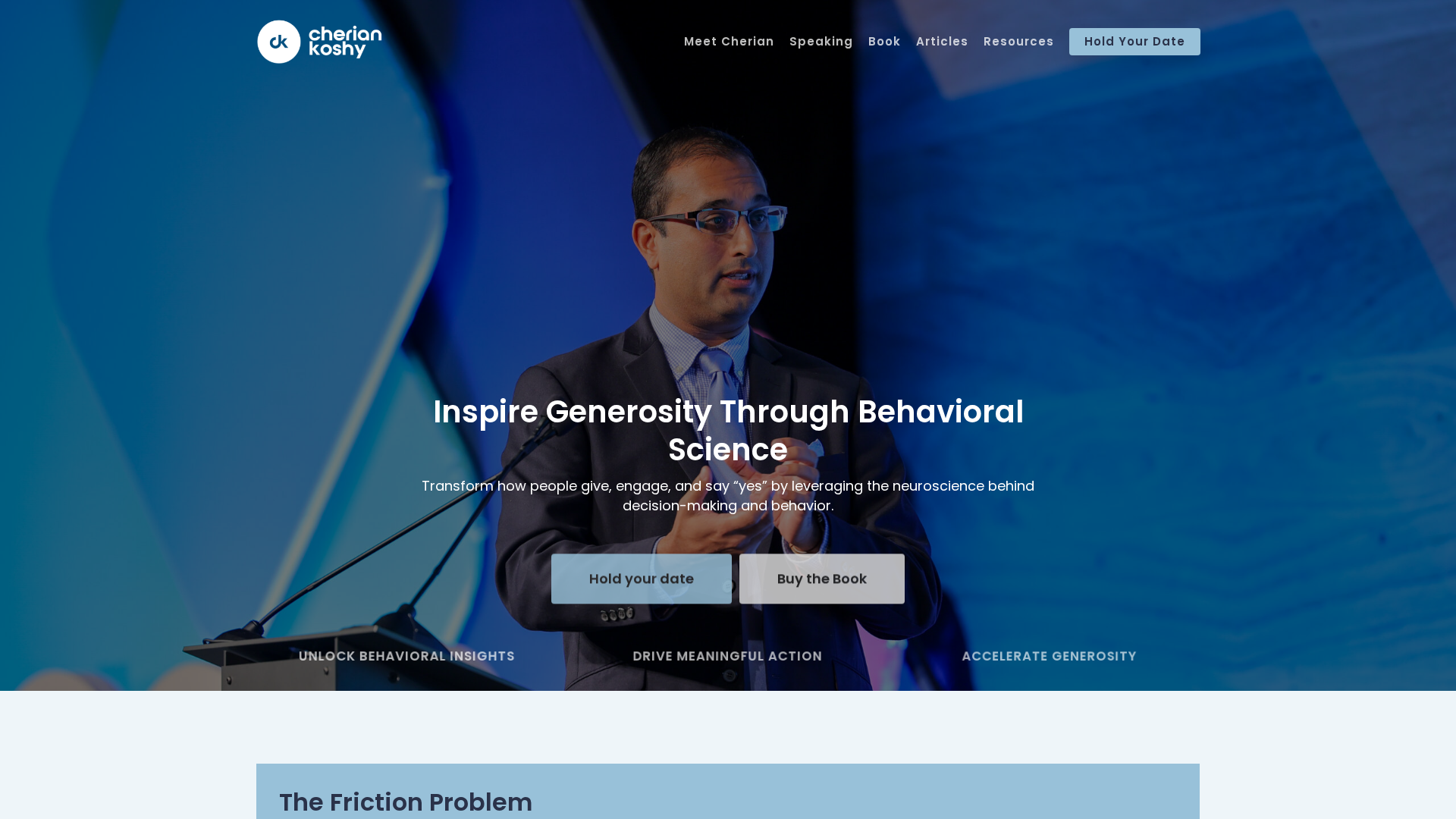
Turn major gift strategy into lasting donor trust. Partner with Cherian Koshy for workshops, keynotes, or consulting that help your team inspire generous action.
Frequently Asked Questions
Q1: Top major gift fundraising strategies today?
Build trust, use donor data with care, tailor each ask, involve leadership, and report impact fast. Focus on long-term relationships, not one large transaction.
Q2: How do we find major gift prospects?
Review giving history, event engagement, referrals, and mission fit. Start personal conversations before rating capacity.
Q3: How long does cultivation take?
Plan for months, sometimes years. Let the donor’s interest and readiness set the pace.


